
The Last Show
A Willerby Story

Alice was not coping well with the death of her mother but she was quiet about it so nobody knew just how bad things were.
Nobody knew how she lay awake all night dreading the soft light fuzzing the edges of her curtains at five in the morning.
Nobody knew how she fought the urge to break into freeing hysterical laughter at the utter pointlessness of geography or maths – nobody knew how funny she thought it was her teachers thought any of it mattered at all.
It was ridiculous, she thought, for anyone to do – even believe - anything at all.
Life was brief and fragile, the universe cruel and indifferent, everything everywhere pointless.
This was not a philosophy anyone could live long with.
The consequences of what this new understanding of the world meant she must eventually do both thrilled and scared her.
But a little less each day.
A welcoming numbing was swallowing her as surely as quicksand.
Her dad was not coping either.
She knew – although he did not know that she knew – he wasn’t going to work anymore, that he drank to the small hours every night and that he called out for his wife in his sleep.
Sometimes he was still up when she came down to the kitchen, performing a gruesome pantomime of bright normality, staggering around with the frying pan, spilling milk, telling fictions about what they might do at the weekend together.
It was awful – even more so when the pretence broke, and he cried without seeming to know he was doing it.
It was better when he stayed in bed, so she readied herself for school as quietly as she could and waited until break to eat.
They were – she thought – two sailors cast onto savage shores by a shipwreck with nothing left in common but the floating jetsom of the drowned vessel they had once voyaged in.
But there was something left, something like a stain or scar she couldn’t imagine living without, because despite it all she still feared being taken away.
Perhaps it was only because if the death of her mother – slow, wretched and painful – had taught her anything it was there was no such thing as rock bottom – things could always get worse.
So, when asked she told everyone the things she knew would make them go away; that she was sad but had happy memories; that she was hopeful about the future; that she was choosing positivity because she knew it was what mummy would want her to do.
It surprised her how easy it was to lie, and how readily those she lied to believed her.
Only Miss Darnell – her form tutor since Year 7 – seemed unconvinced.
“Anything you should be telling me?” She asked her once at the end of the day after afternoon registration.
Alice met Miss Darnell’s grey eyes, smiled and nodded. “No, miss,” she said.
“How is Donny..,” Miss Darnell paused for a moment, gathering her thoughts, then corrected herself. “Your dad?”
Miss Darnell had gone to school with him, which she found weird when reminded of it – the thought the shell of a man who’d once been her dad had been the same age as her seemed impossible.
“We’re doing fine, miss,” Alice said. “One day at a time, you know?”
She looked around.
“Sorry miss, but I better go. Dad’s getting fish and chips in for tea, and I don’t want it to get cold.”
“Go on then,” Miss Darnell said, with questions still lurking between her words. “Tell your dad I said hi and to ring if he needs anything.”
“Will do, Miss,” said Alice and walked off down the corridor, putting a bounce into her step because she knew she was being watched the whole way.
Of course there were no fish and chips.
The house was unlocked and empty, the kitchen dirty and cluttered with used glasses, mugs and crockery. Alice knew without looking the recycling bin would be full of cans and bottles and that her dad had either gone out to buy more or was in the pub.
She swilled out a cereal bowl in the sink and microwaved herself a can of Big Soup, which she ate standing up with dry, stale crackers and an ancient end of cheese she found in the salad drawer of the fridge.
Then she went upstairs to the bathroom and took a shower in the room where her mum’s presence was still so strong, amongst old bottles of shampoo and conditioner she’d used before she lost her hair, the cupboards still busy her with curlers and make-up, perfumes and face-creams.
She had loved the bathroom more than any other room in the house –hours singing along to one of her playlists, emerging from the steam flushed and happy wrapped in great fluffy towels before she got sick, and then hours in the bath with the door closed and locked after she became ill.
Alice spent hours in the shower too – she found when she turned it up to its highest setting, in the pummeling spray she was able to find a sort of oblivion in which she could escape her thoughts.
Oblivion – the loss of herself - was always welcome, and she sought it wherever it could be found; PE where she could push herself so hard there was nothing but pain in her chest and legs; music in her headphones so loud it wasn’t music anymore but a physical beating of rhythm and bass.
And – most of all – drama where she found she could will herself into being someone else entirely – taking on their thoughts and their hopes, fears and dreams until for as long as her scenes lasted, she was all gone.
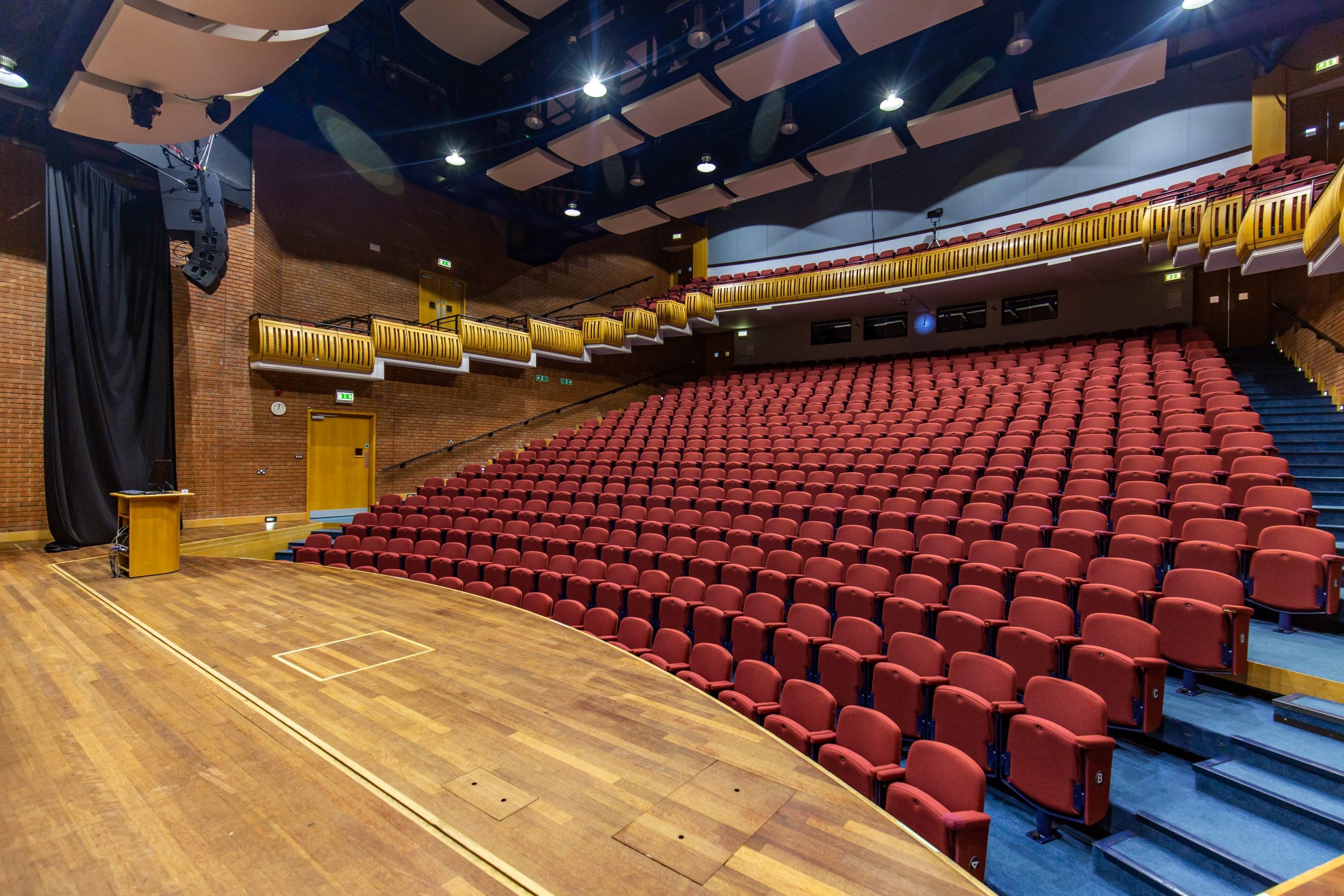
Everyone at school, Miss Darnell included- thought it a good sign she’d signed up for the Beckworth College musical production of Matilda where she’d been given the role of Miss Honey.
Although she knew she was good she wondered without caring much either way whether it was pity as well as talent that got her the part.
The teacher in charge– Mrs Edmonds – had worked in professional theatre for years before switching careers had an acid tongue where she saw sloppiness. There were rehearsals every lunch and almost every day after school.
Some children didn’t like how strict it all was and there were complaints from parents, but Alice welcomed it, listened carefully to what she was told, was always on time and never complained, liked how Mrs Edmonds appeared to either not know or care about her wrecked family.
“You’re good at this,” Mrs Edmonds told her in a break between scenes by the piano in one of the last practices. “As important as you having talent – which you do – is you’re a pro. Once this is over let me know if you want more. There are things we can talk about, things we can do.”
Alice smiled because she knew this was what was expected.
But she knew she would never perform again after it was all over.
In the wakeful, hateful small hours, she was making plans.
She felt closest to her mother then – in heavy stillness the lines between past and present and between death and life felt thin, moving between them plausible.
In those hours she found her phantom.
The next morning when the birds began singing, she could never be sure of what she’d dreamed and what she’d seen with waking eyes; her mother in the kitchen boiling the kettle; her mother in the living room watching television; her mother by the coat pegs in the hall; her mother in the garden looking up at sky.
Alice couldn’t tell what she was thinking because she never saw her face – she was always turned away.
She did not know who could not bear to look on the other, but she hoped soon the distance between them would close and things would be as they were before the summer day in the park when, on a tartan blanket her dad had burned in the evening after the funeral, her mother had held her hand and told her, “I’m sorry love. This time this isn’t the sort people get better from.”
She decided she would do it the evening after the last of the three performances. She would do it in the bath so it wouldn’t be too hard for her dad to clean up.
Maybe he’d follow her. He would, she thought, have no reason not to.
They’d be all together again then, even if that was only in the void, even if only in the great healing oblivion.
The first performances went well and the second was even better than the first.
At the curtain call Alice’s feigned delight was her best acting all night.
It fooled even Miss Darnell who led the standing ovation as Alice bowed and curtseyed as charmingly as Mrs Edmond’s had taught her to – “It’s part of the performance, Alice,” she’d told her. “And don’t ever forget that. Whenever you’re on stage, you’re on stage. You can’t relax or you’ll slip and everyone will see.”
“Your dad coming tomorrow then?” Miss Darnell asked her as Alice pulled on her coat at the end of it all.
“He’s going to try,” Alice told her, knowing he wouldn’t because she’d kept the letters to herself and forged the permission signatures on the forms.
“I’m coming tomorrow too,” Miss Darnell said, “Tell your dad it’ll be nice to see him.”
“Yes, Miss Darnell,” said Alice, nodding, “I will.”
But she didn’t.
…
The final performance was just as good as the previous night, the funny lines funny, the sad songs sad, the choreography neat and tight.
Alice hit all her marks, hardly aware of where or even who she was as she pirouetted beneath the bright stage lights, all gone in dance and song.
She did not notice her dad was there until near the end.
He was near the back in a wrinkled shirt and tie, holding hands with the woman sitting next to him, who she suddenly knew to be her mother, hair loose around her shoulders, cheeks pink and flushed, shining technicolour in the dark school hall, singing along and dancing in her chair, mouthing the words back at Alice and never once looking away.
And then the finale, the end, the curtain call, Matilda with Miss Honey, the show over, the cast with their families, Mrs Edmonds with her bunch of flowers and, unnoticed, Alice running to where she’d seen her parents from the stage, to find her mother gone and her dad in the arms of Miss Darnell who was holding him around the neck and stroking his hair.
“I’m so fucked up, Grace.”
He was sobbing, his shoulders shaking,
“I’ve fucked up everything and every time I think it can’t get worse, I fuck it all up more. Work. The house. Alice. Everything.”
“It’s OK Donny, It’s OK, Donny” Miss Darnell said again and again, holding him so tight she was rocking him, still stroking his hair.
She let go of her dad and turned to Alice. “You’re OK, aren’t you? You were wonderful again tonight.”
But Alice couldn’t reply because suddenly she too was crying so hard she didn’t think she’d ever be able to stop.
“No,” she managed to gasp, and then Miss Darnell – Grace – pulled her into the embrace too, so fierce it felt as if her tears were being physically squeezed from her.
The crying went on for a long time and because everyone in the emptying hall knew at least part of why, they were left alone.
Then they went for fish and chips and afterwards back to the house and to bed.
Grace slept over in the spare room and the next morning, as the three of them tidied and cleaned the house together it occurred to Alice that just because things often got worse it did not mean that things could not get better – and the sudden obviousness of the thought stopped her in her tracks, actually making her laugh out loud.
And – not all at once and with almost as many downs as there were ups – they did.
First some good days.
Then more.
Then more good days than bad.
And then the odd bad days – usually birthdays, around Christmas with Mother’s Day dreadful until they made a house tradition of going to the tip because, as Alice’s dad said. "“It’s always going to be shit day so let’s just own it.”
…
“What made you come?” Alice asked him years later, when they were sitting on a bench in the park watching her own little boy and girl on the climbing frame. “I never even told you I was in it.”
He leant forward, as if trying to get a better look at the children, but didn’t say anything.
“It was such a weird time,” she said. “That really awful bit when you were drinking, after mum died. Nothing felt real. I even thought I saw her beside you in the theatre.”
He turned to look at her, studying her face closely as if her were looking for something in it.
“Maybe you did,” he said. “She told me to go. She was there. She told me she wanted to see you in one last show. I thought it was all in my head.”